FLOORS
SERVICE · NEW JERSEY
Screen & Recoat
Renew the protective finish on a suitable hardwood floor before wear reaches the wood itself.
Request an assessment ↗︎WHAT IT IS · WHAT IT ISN'T
Renew the finish.
Keep the wood.
A screen and recoat abrades and cleans the existing finish on a hardwood floor, then applies a new professional coat over it. The floor keeps its color, gains renewed protection, and can take a different sheen — without being sanded to bare wood. Because it removes far less material than refinishing, it is often the least aggressive treatment that produces a sound result on a floor whose wear is in the finish rather than in the wood.
It is not a shortcut for every floor. A recoat cannot rebuild finish that has worn through to bare or gray wood, remove a dark stain in the wood, flatten a damaged surface, or change the stain color. And it depends entirely on adhesion: Bona's current U.S. Technical Data Sheet for Traffic HD states the floor must be free of wax, polish, and oily residues, that the full Bona Recoat System is required when contaminants are present, and that adhesion failure can occur if the floor has not been tested for compatibility (Bona Traffic HD TDS, 05/27/2026, p. 4).
That is why HQ evaluates condition and compatibility before proposing a recoat, and why the answer is sometimes refinishing — or sometimes only a professional cleaning.
THE HQ APPROACH
Start with the floor.
Choose the right treatment.
A timely recoat can refresh sheen and protection without the material removal of full refinishing.
Every project begins with an assessment of the existing floor, its condition, and the homeowner's goals. Recommendations are made after that evaluation—not before it.
THE HQ WAY
When your floor just needs protection
If you like your floor's color and it only looks a little tired, it can often be saved without sanding to bare wood. A professional recoat renews the protective layer — typically completed in a couple of hours.
THE HQ WAY
The two-to-three-year habit
For high-traffic areas, HQ recommends a maintenance coat roughly every two to three years. It is the least expensive thing you can do for a hardwood floor — and the one that most extends its life between full refinishes.
FROM THE HQ ARCHIVE
Real work.
Multiple homes.
These photographs show authentic HQ projects from the company archive. They are presented as examples of the team's craftsmanship, without assigning an unverified service or location to an individual image.
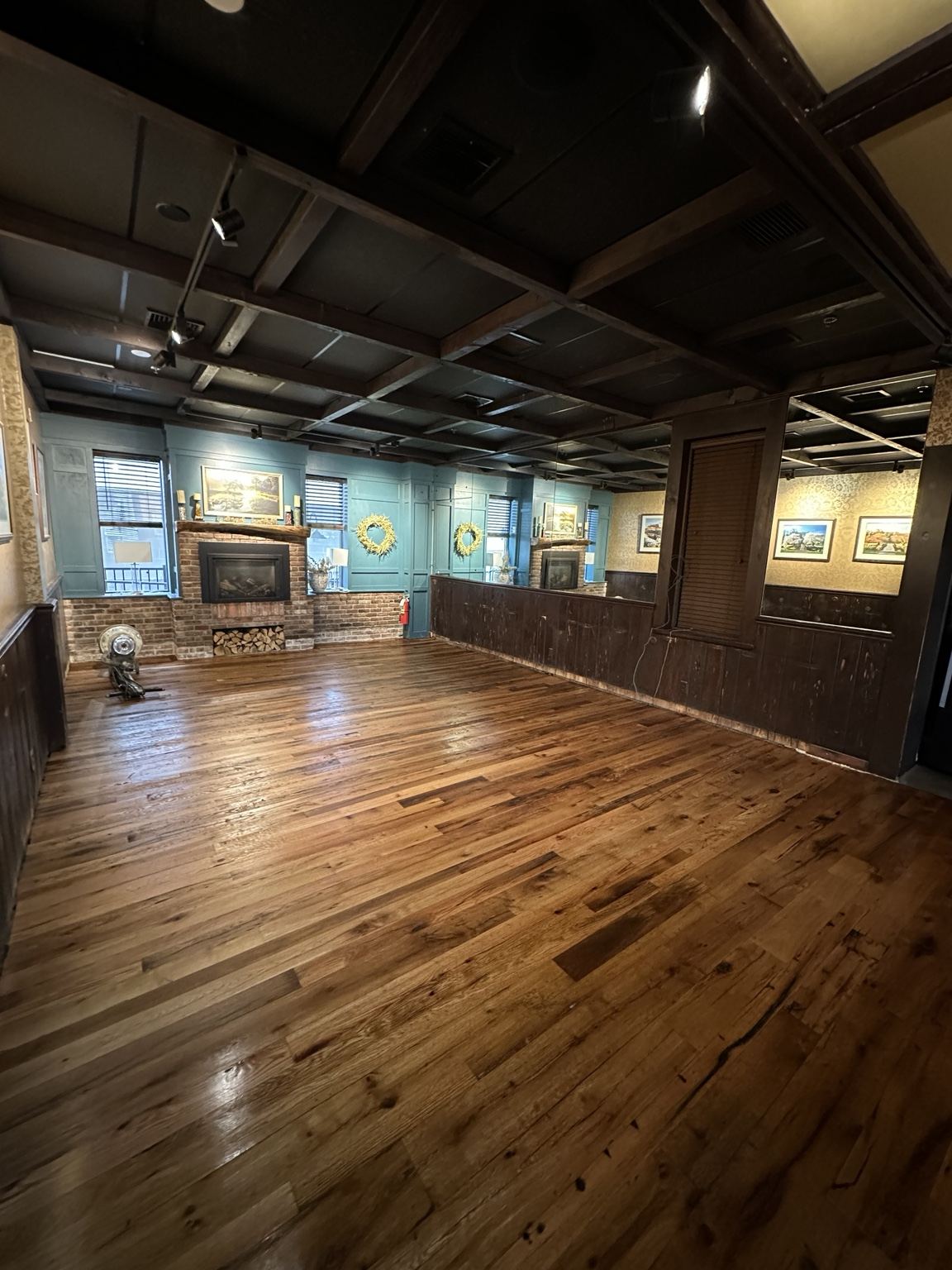
Dark-paneled interior
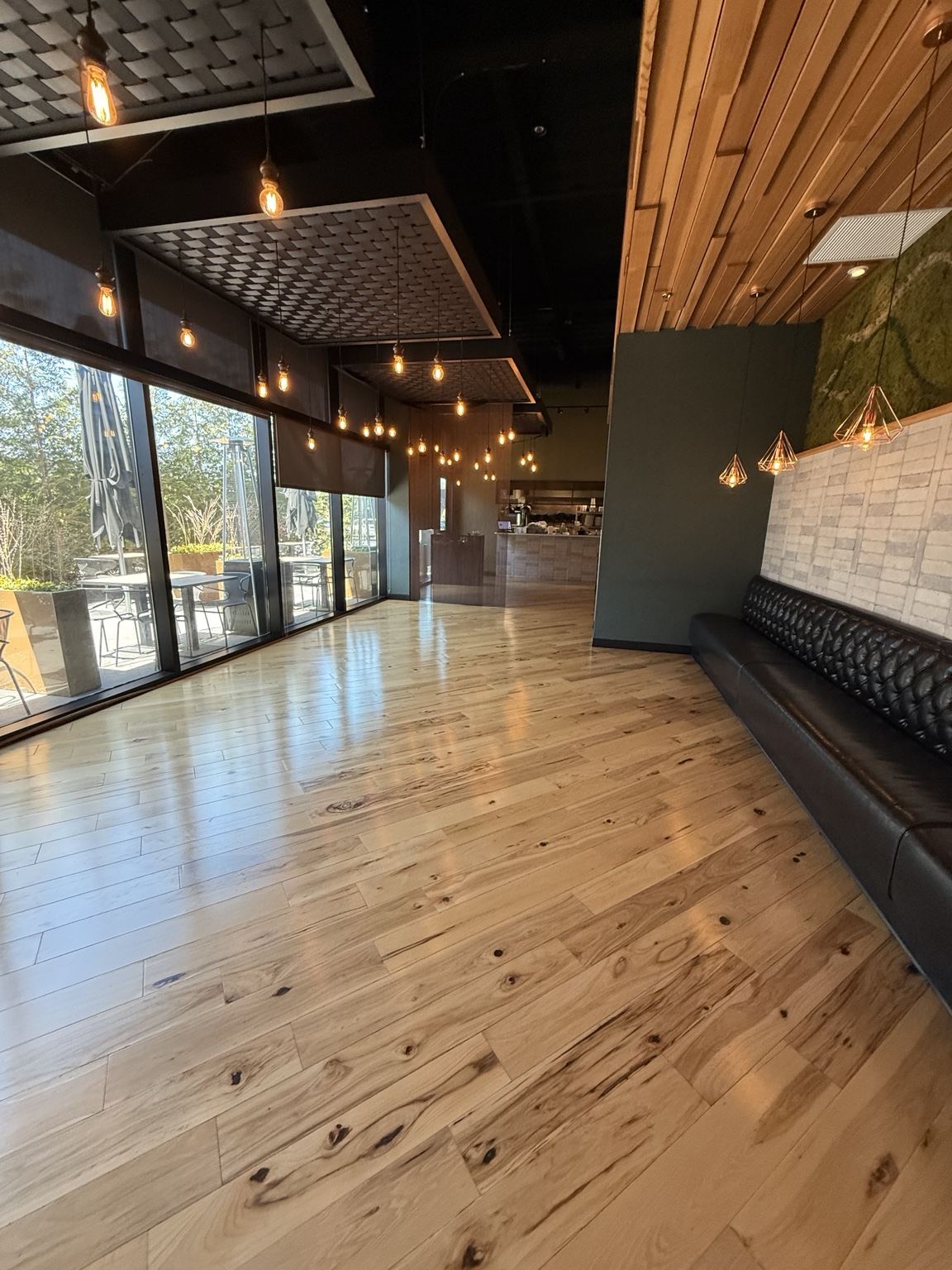
Light varied-tone floor
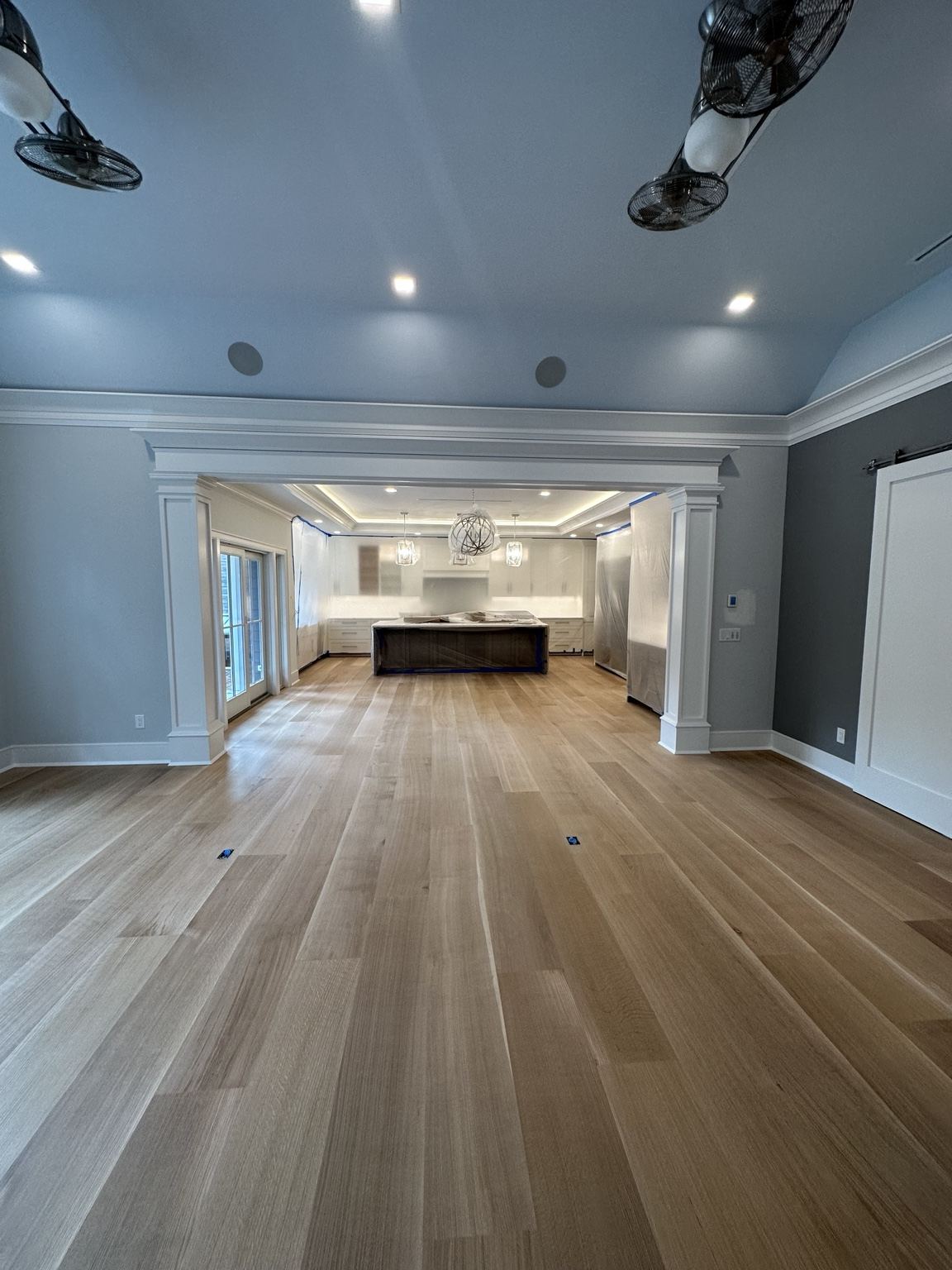
Light wide-plank floor
ALSO CONSIDER
Maybe your floor
needs something else.
HQ recommends the least aggressive treatment that will get the result. These are the neighbouring options — see all of them under services.
HQ uses professional floor-care equipment and products selected for the floor and finish.DETAILS ↗︎LVP/LVT & Hard-Surface Deep Cleaning
The process is matched to the surface so embedded soil can be addressed without treating every floor the same.DETAILS ↗︎Hardwood Floor Repairs
Selective repair and thoughtful board matching can often preserve more of an original floor.DETAILS ↗︎
WHERE HQ WORKS
Screen & Recoat
across New Jersey.
Every town HQ serves is on the New Jersey service area page, and the questions homeowners ask before deciding are answered in the knowledge center.
AUTHENTIC HQ WORK
See the photographic archive.
COMMON QUESTIONS
Asked before
the assessment.
Can you refinish hardwood floors without sanding?
A screen and recoat renews the protective finish without sanding to bare wood, which is what most people mean by "without sanding." It works when the wear is in the finish and the existing coating is compatible. It does not remove damage in the wood or change the color; those require full refinishing.
How do you know if my floor can be recoated?
By evaluating it on site: whether the finish is intact or worn through, whether the surface has been treated with wax, polish, oil, or "restorer" products, the finish type, and the floor's construction. Prefinished and engineered floors need particular attention to compatibility. Photos help start the conversation; they do not confirm compatibility.
What can a recoat change, and what can't it?
It can renew protection, refresh a dull surface, and often change the sheen (matte, satin, gloss). It cannot change the stain color, hide deep scratches, remove dark stains in the wood, or fix cupping or movement. When any of those are the problem, HQ scopes the project as refinishing or repair instead.